TailVille
At a glance
Rough ranges for supplies, food and electricity in Korea (USD is approximate). Purchase or adoption fees are not included.
Families wanting a sociable dog, homes with other pets, and owners ready for daily brushing and regular grooming.
Not for people away all day or anyone who cannot cover grooming and ongoing skin or urinary care costs.
1. Overview
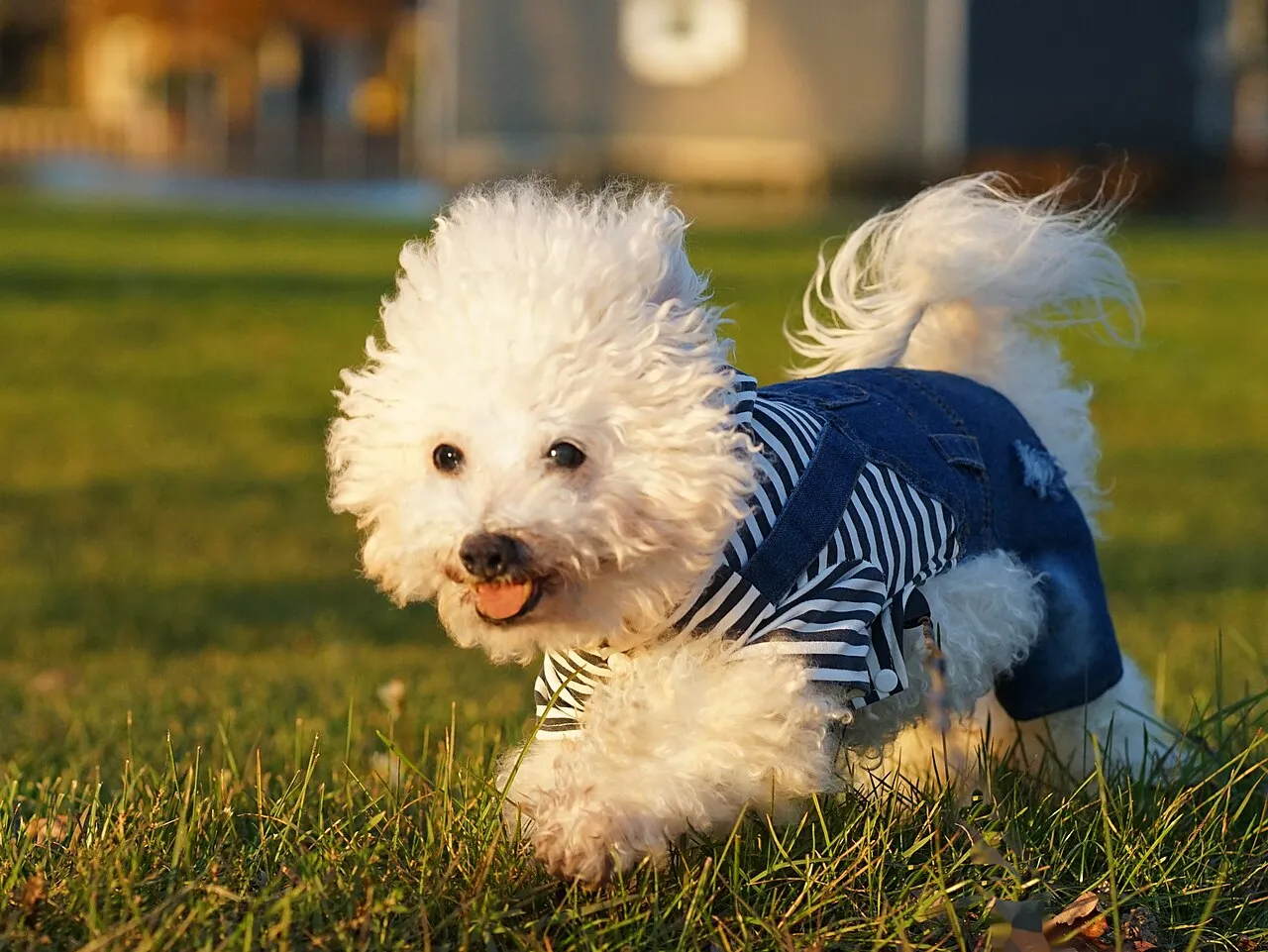
The Bichon Frise is a small companion dog loved for its powder-puff white coat and round, open face. It stands no more than about 30 cm at the shoulder and usually weighs 4 to 8 kg, a sturdier build than a Maltese or Pomeranian. Its cheerful, sociable nature gives the impression of a dog that is always smiling, and most are friendly towards strangers and other dogs.
In Korea its popularity surged from the mid-2010s, when a rounded, helmet-like head trim became a trend. Bichons shed very little, but their coat mats fiercely, so grooming takes real time and money, and the breed is prone to skin allergies and bladder stones. This article covers what is specific to the Bichon Frise; general dog care is in the main Dog article.
2. Name and origin
SkyandMama · CC BY-SA 4.0
Bichon is thought to come from an old French term for small long-haired dogs, and it is also often explained as a shortening of barbichon, a little relative of the curly-coated barbet water dog. Frise means curly in French, so the name amounts to curly-haired bichon.
Small white bichon-type dogs are believed to have spread around the Mediterranean with sailors and traders. The one most often named as the ancestor of today's breed is the Bichon Tenerife, linked to the Canary Islands. Around the sixteenth century these dogs were the height of fashion at the French court, and King Henri III is famously said to have carried his in a basket hung from his neck. When aristocratic culture faded, the breed survived in the nineteenth century as a circus and street performer's dog.
In the twentieth century French and Belgian enthusiasts reorganised the breed, and the FCI lists both countries for the standard, placing it in Group 9, Companion and Toy Dogs. Bichons reached the United States around the 1950s, and the American Kennel Club recognised the breed in the early 1970s in the Non-Sporting Group.
3. History and popularity in Korea
Bichons were fairly uncommon in Korea until the 2000s. The turning point is usually credited to a grooming style that puffs the head into a round helmet, nicknamed the haiba cut in Korean. It took off on social media in the mid to late 2010s, demand climbed quickly, and the Bichon now appears near the top of Korean breed preference surveys.
As with most breeds whose popularity explodes in a short time, mass breeding and inflated prices followed. Keeping that round, upright look requires skilled grooming and steady maintenance, and many new owners are surprised by the cost and workload. Bichon and Poodle crosses, sometimes called Poochons, are also common.
4. Appearance and breed standard
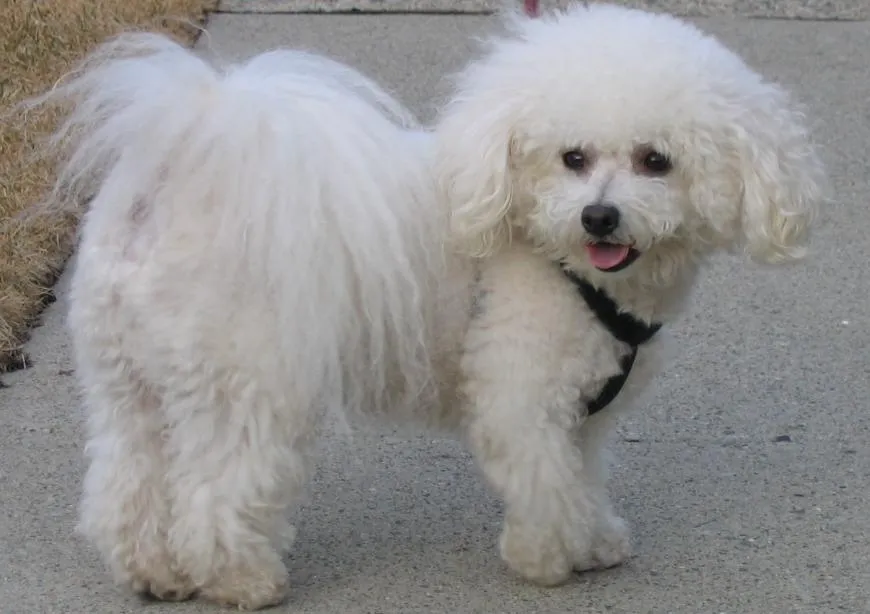
The Bichon coat has a soft, dense undercoat and a coarser, curly outer coat. The two layers support each other, giving a springy texture that bounces back when pressed. White is the standard colour; puppies often show faint cream or apricot shading on the ears or body that usually fades with age.
| Item | FCI standard (approx.) | AKC standard (approx.) | Notes |
|---|---|---|---|
| Height | up to 30 cm | 9.5-11.5 in | pets vary widely |
| Weight | not set, in proportion | not set | usually 4-8 kg |
| Coat | curly double coat, 7-10 cm long | soft undercoat, curly outer coat | a flat or straight coat is a fault |
| Colour | white | white, light shading near ears allowed | puppies often cream-tinged |
The round dark eyes are framed by black skin halos that make the face stand out. The body is slightly longer than tall, and the tail curls gracefully over the back. Show grooming scissors the coat into rounded lines so that head and body form a single soft outline, the origin of the breed's powder puff nickname.
5. Temperament
The Bichon's greatest asset is its cheerful, sociable temperament. Most greet visitors with a wagging tail, and many get along well with other dogs and even cats. Perhaps thanks to its circus past, it enjoys learning tricks and loves an audience.
When excited, Bichons often tear around the house at full speed in circles, a habit so well known that English-speaking owners call it the Bichon blitz and Korean owners use the word udada. It is normal energy release and nothing to worry about.
The main drawback is how badly many Bichons cope with being alone. They are deeply people-oriented, and long hours by themselves often lead to barking or destructive separation behaviour. House training is widely reported to take longer than in some breeds, so patience, praise and consistent routines matter. Alarm barking tends to be less intense than in Pomeranians or Chihuahuas.
6. Who it suits and who it doesn't
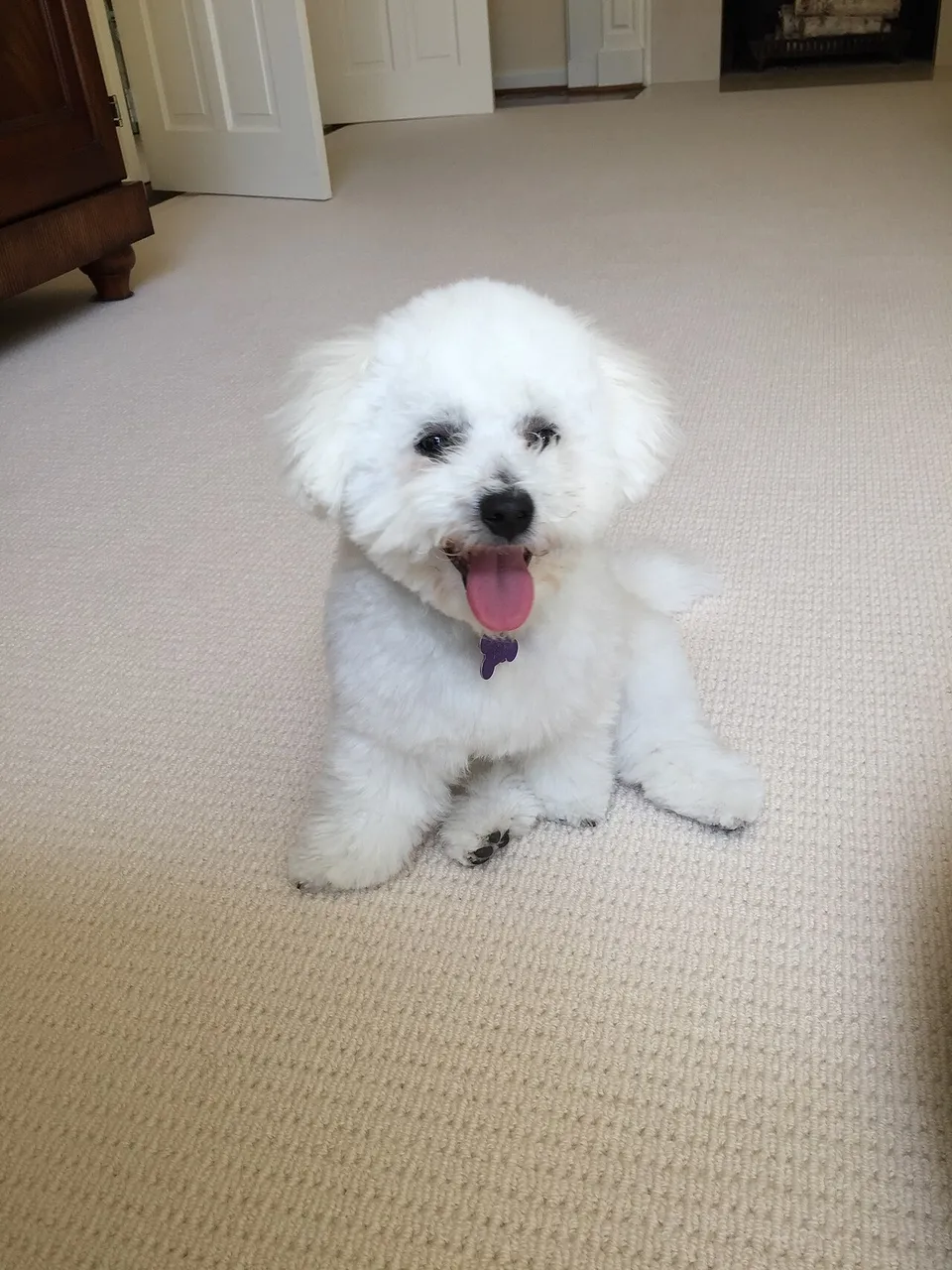
Julia · CC BY-SA 4.0
- Good fit: homes with frequent visitors or other pets that need a sociable dog
- Good fit: families with children who are taught to respect a dog; Bichons are relatively robust for a small breed
- Good fit: owners who can make daily brushing and regular grooming part of their routine
- Poor fit: people out of the house for long hours every day
- Poor fit: anyone planning to save money by putting off coat care
- Poor fit: owners unable to handle the time and cost of managing skin or food allergies
Bichons shed little and are often suggested for allergy sufferers, but individual reactions vary, so spend time with the breed before deciding.
7. Exercise and play
For a small dog, the Bichon has moderate energy. Two walks of 20 to 40 minutes a day plus indoor play satisfy most. They enjoy fetch and tug, and they find shared activities such as trick training and scent games especially rewarding. Many love mixing with other dogs at dog parks, but keep an eye on play that gets too rough.
That white coat collects dust, grass seeds and mud on every walk. Wipe the legs and feet with a damp towel afterwards and check for seeds or debris lodged in the coat to head off skin trouble. A coat left damp after a rainy walk mats quickly, so dry it fully with a dryer. Some Bichons have weak kneecaps, so keep high-speed play on rugs rather than slippery floors.
8. Coat and hygiene
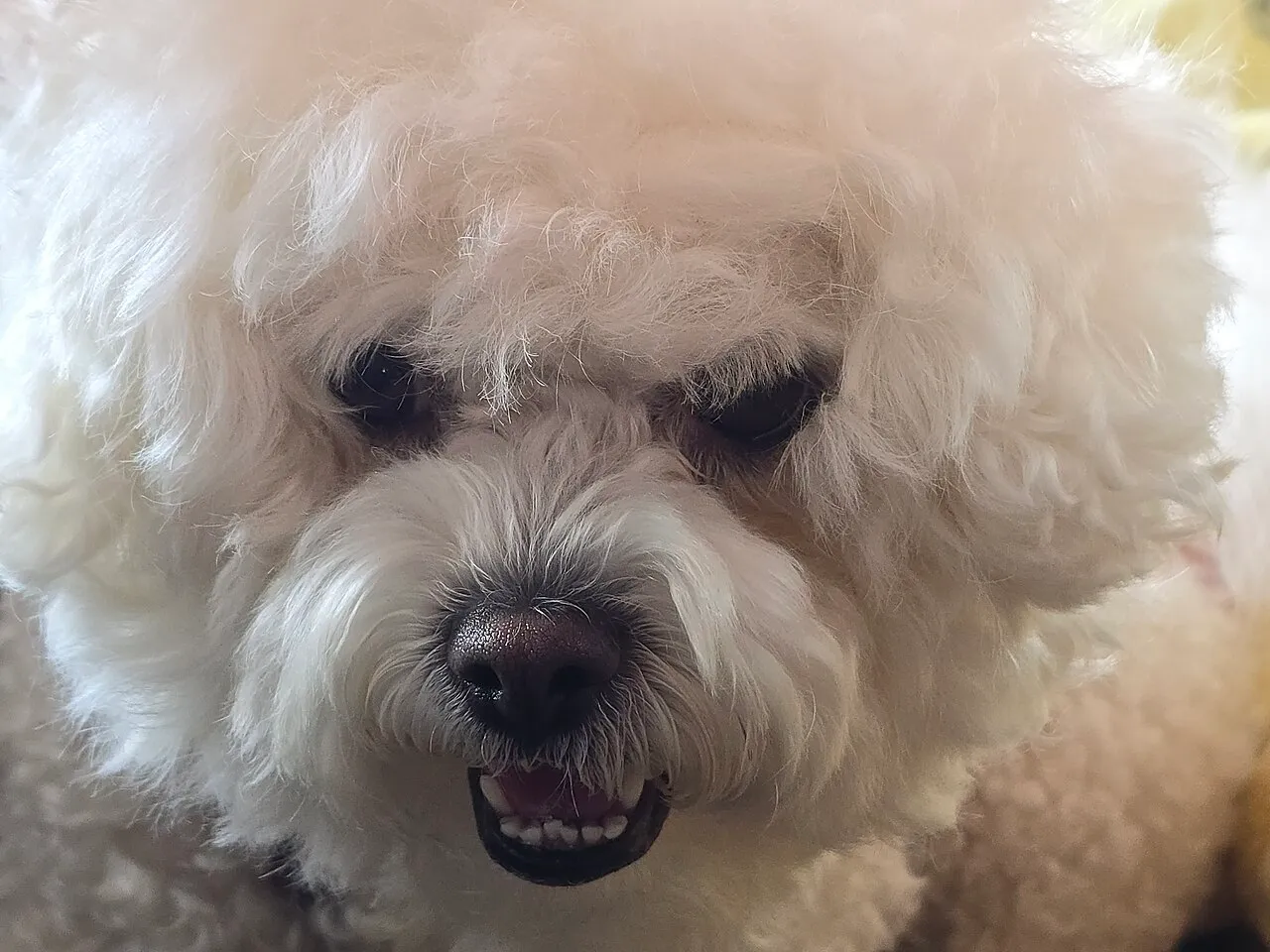
MichalPL · CC BY-SA 4.0
A Bichon barely sheds, but loose undercoat gets trapped in the curly outer coat and mats very quickly, so most Bichon care comes down to brushing. Even a short trim needs brushing three or four times a week, and a long rounded style needs daily line brushing from the skin outward with a slicker, followed by a comb to find hidden knots. Behind the ears, the armpits, under the harness and the inner legs are the usual trouble spots.
Professional grooming is typically every four to six weeks. The signature rounded silhouette comes from blow-drying the coat straight and upright and then scissoring it, which takes longer and costs more than a clipper trim. If the coat is badly matted, shaving it short and starting again is kinder than dematting by force.
Tear stains and discolouration around the mouth show clearly on white fur, and many Bichons have sensitive skin. Bathe every two to four weeks with a gentle shampoo and rinse thoroughly. The drop ears trap moisture, so check them weekly, and brush teeth daily.
9. Diet and weight
Bichons tend to have hearty appetites and adore treats, so they gain weight easily, and the fluffy coat hides it well. Feel for the ribs regularly and weigh your dog on a schedule. For a 6 kg adult, about 350 kcal a day is a rough starting point, adjusted for neutering and activity.
Diet matters for this breed for two particular reasons. Skin allergies are common, and a reaction to a specific protein can drive itching and ear infections. Bichons are also known for bladder stones, so water intake and mineral balance count. Several water bowls around the house or some wet food mixed in can raise fluid intake. If your dog has had stones, do not switch away from a prescribed diet on your own, and choose treats that fit that diet.
10. Inherited conditions and health
Bichons are considered fairly robust for a small breed, but skin, urinary and eye problems are reported relatively often. See a vet rather than self-diagnosing when signs appear.
10.1. Allergic skin disease
Atopic dermatitis and food allergies are common in Bichons. Typical signs are frequent licking or chewing of the feet, red armpits, belly and ears, and white fur stained brown by saliva. Scratching can lead to secondary bacterial or yeast infections. Vets work up the cause with elimination diets and skin or blood allergy tests, then manage it long term with medication, medicated shampoos and diet. Expect management rather than a cure.
10.2. Bladder stones
Bichons are among the breeds most prone to bladder stones, with both struvite and calcium oxalate types reported. Watch for frequent small urinations, blood in the urine or straining. In males a stone can block the urethra completely, which is an emergency. Diagnosis uses urinalysis, X-ray and ultrasound; depending on the type, stones are dissolved with a prescription diet or removed surgically. Recurrence is common, so regular urine checks are recommended.
10.3. Other conditions
- Cataracts: Bichons can develop cataracts at a relatively young age. Cloudy eyes or bumping into things call for an eye exam.
- Patellar luxation: common across toy and small breeds; hopping on a hind leg is the giveaway.
- Dental disease: crowded teeth collect tartar quickly, and extractions in old age are common.
- Cushing's syndrome and diabetes: in middle age and beyond, increased drinking and urination or a pot-bellied look warrant blood tests.
- Tear staining: not a disease in itself, but it can signal tear duct problems or allergies.
11. Life stages and lifespan
Bichons typically live about 12 to 15 years.
| Stage | Age | Key points |
|---|---|---|
| Puppy | 0-12 months | socialisation, house training, gentle first grooms from about 4-5 months |
| Young adult | 1-3 years | peak energy, the most frequent zoomies |
| Adult | 3-8 years | skin, urine and weight checks, yearly exam |
| Senior | 9+ years | eyes, teeth and hormonal disease, exams twice a year |
Getting a puppy used to brushing, the hair dryer and having its feet handled pays off for a lifetime of easier grooming. Many seniors lose vision to cataracts, so avoid rearranging the furniture more than necessary.
12. Costs
Rough 2026 Korean figures; purchase price excluded.
| Item | Approx. cost (KRW) | Notes |
|---|---|---|
| Initial supplies | 300,000-600,000 | crate, bed, harness, slicker, comb, dryer |
| First vet visits, vaccines, registration | 200,000-500,000 | core shots, rabies, microchip |
| Food and treats | 40,000-90,000 per month | more on a prescription diet |
| Grooming | 60,000-120,000 per session | every 4-6 weeks; scissored styles cost more |
| Parasite prevention | 10,000-30,000 per month | heartworm, fleas and ticks |
| Skin and allergy care | tens of thousands or more per month | medication, shampoos, special diets |
| Bladder stone surgery | 1-3 million or more | varies with case and clinic |
Bichons are widely considered one of the most expensive small breeds to groom. Skin conditions add up over the years, so check how a pet insurance policy treats dermatology claims.
13. Before you get one
The Bichon boom pushed prices up and drew in volume breeders. Every puppy looks round and adorable, but skin disease and kneecap problems often only show up months later.
- Look at the parents' skin, coat quality and knees in person
- Ask whether either parent has had bladder stones or allergies
- Confirm licensing, a written contract, and vaccine and deworming records
- Avoid sellers who push you to take a puppy before two months of age
- Understand that Bichon crosses are hard to predict in coat type and adult size
Plenty of Bichons are rescued in badly matted condition. A shelter Bichon may look like a different breed at first and be transformed after a groom. Consider adoption first, and register your dog once it is home.
14. The Bichon Frise in culture
Small white bichon-type dogs appear in European paintings from the sixteenth century onward, and works by the Spanish painter Goya are often said to include a Bichon-like white dog. The story of a lapdog that sat in the laps of French nobility and then, after the Revolution, moved to street performance and the circus ring is one of the breed's favourite tales.
In modern times a Bichon Frise famously won Best in Show at the Westminster Kennel Club Dog Show in 2001. In Korea, helmet-cut Bichons show up on social media and TV under nicknames like cotton candy puppy or cloud puppy, and the breed inspires a whole range of character merchandise.
15. Trivia
- Where a Bichon's white coat turns reddish brown tells you about its habits: stained feet mean frequent licking, while a stained mouth may come from saliva or food dyes.
- The bichon family also includes the Maltese, Bolognese, Havanese and Coton de Tulear, which differ in coat texture, origin and build. The Bichon Frise has the curliest, springiest coat of the group.
- Haiba, the Korean name for the helmet cut, comes from a Japanese-derived loanword for helmet and is not an official grooming term.
- A long coat easily falls over the eyes, so the hair around them needs trimming more often than elsewhere.
- Perhaps thanks to their circus ancestry, many Bichons quickly learn tricks such as sitting pretty, spinning and high fives.
Health notes are general information. If something seems wrong, contact a vet who treats this species.
🍽️ Can my dog or cat eat this? →
FAQ
Can I keep up a rounded Bichon cut at home?
The shape itself needs a professional groomer, but daily brushing with a slicker keeps it looking good for longer. Skip brushing and mats appear before the shape fades.
My Bichon keeps licking its feet.
It is a common sign of allergic skin disease in the breed. If the feet are stained brown or red, see a vet to find the cause; elimination diets and medication are typical.
Are Bichons good with children?
Usually yes; they are sociable and fairly sturdy for a small breed. Teach children to handle the dog gently and supervise them together.
Photo credits
Photos are freely licensed images from Wikimedia Commons. Authors and licenses are listed below.
- Bichon Frisé - studdogbichon.jpg — Heike Andres · CC BY-SA 3.0 de
- 16yearoldbichonfrise (cropped).jpg — SkyandMama · CC BY-SA 4.0
- Toby the Bichon Frisé.jpg — Unknown · Public domain
- Bichon Frisé sitting.jpg — Julia · CC BY-SA 4.0
- Bichon frisé, Grodztwo, Kowal, Kuyavian-Pomeranian Voivodeship, Poland, August 2024.jpg — MichalPL · CC BY-SA 4.0