TailVille
At a glance
Rough ranges for supplies, food and electricity in Korea (USD is approximate). Purchase or adoption fees are not included.
Anyone who cares more about the individual cat than a pedigree, especially people open to shelter or rescue adoption.
People who need a guaranteed look or temperament, or who cannot cope with shedding and a settling-in period.
1. Overview
'Korean Shorthair', or 'Koshot' for short in Korean, is the name people in Korea use for the ordinary short-haired cats seen everywhere in the country. Crucially, it is not a breed recognised by any international cat registry. There are no pedigree papers and no breed standard; the term is simply a convenient label for the cats that have lived alongside people on the Korean peninsula for centuries, much like 'domestic shorthair' in English-speaking countries.
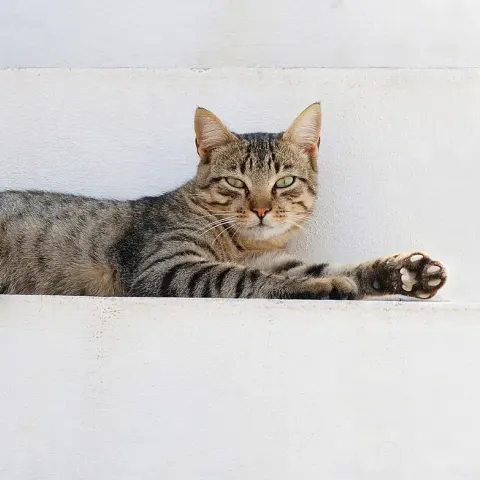
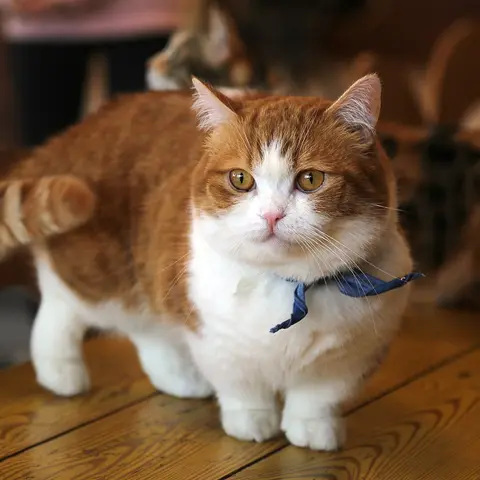
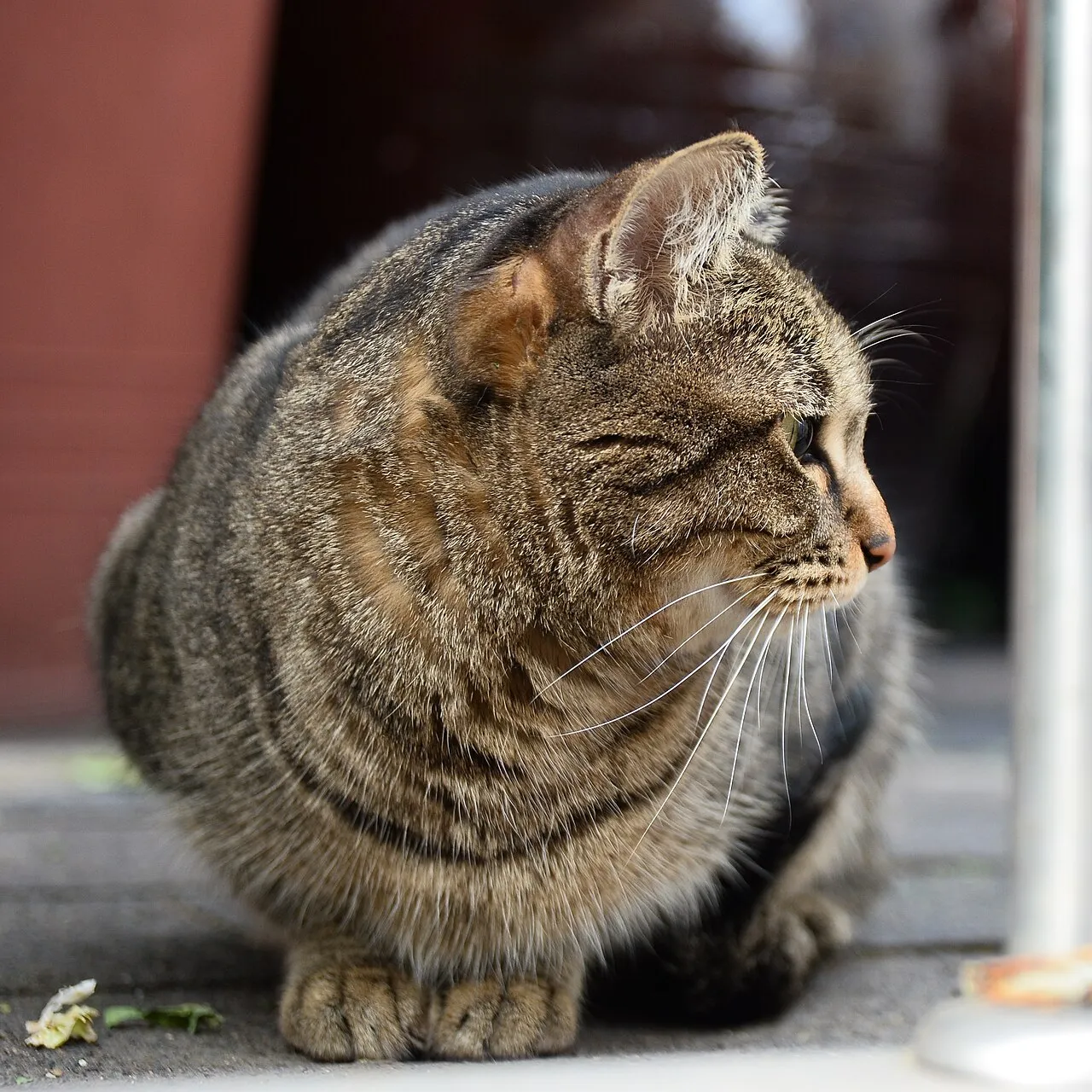
Koreans tell these cats apart by affectionate coat nicknames such as 'cheese', 'mackerel', calico, tuxedo and 'cow', and both looks and personality vary from cat to cat. Most of the street cats in Korean alleys and parks are Korean Shorthairs, and a large share of pet cats in Korea were rescued from the street or adopted from shelters.
This article explains why the Korean Shorthair is not a breed, how cats came to live in Korea, the genetics behind the coat patterns, and what to expect when adopting a rescued cat. General cat behaviour and care are covered in the main cat article.
2. Name and origin
Yu Tae-wook · CC0
2.1. Why it is not a breed
A cat breed exists when people deliberately manage bloodlines toward a defined look and temperament and a registry such as TICA, CFA or FIFe adopts a written standard. Korean Shorthairs have mated freely without that kind of planned breeding, so there is no single colour, body type or face shape.
That is why anyone selling 'Korean Shorthair kittens' at pedigree prices deserves suspicion. These are cats that usually find homes through rescue and adoption, not purchase, and not being a breed takes nothing away from their worth.
2.2. Cats on the Korean peninsula
There is no clear record of when cats reached the Korean peninsula. One popular story says they arrived via China to protect Buddhist scriptures from mice; another view is that they simply spread along trade routes. Neither is firmly established, and the safest summary is that cats have long lived around Korean homes and granaries, earning their keep as mousers.
A well-known anecdote from the Joseon dynasty tells of King Sukjong doting on a cat named Geumson. At the same time, folk belief often cast cats as uncanny or unlucky, an attitude that has changed dramatically as pet cats became common in modern Korea.
2.3. Where the name comes from
The term seems to have arisen after pedigree cats became popular in Korea, as a way to distinguish local cats from named breeds such as Persians and Russian Blues. Note the contrast with the American Shorthair and British Shorthair, which are recognised breeds: the Korean Shorthair shares the naming pattern but not the status. Exactly when the label first appeared is unclear.
3. History and popularity in Korea
Keeping cats indoors as pets became widespread in Korea mainly from the 2000s. The rise of single-person and dual-income households made a pet that needs no walks attractive, and cat photos and videos became hugely popular in online communities and on social media.
The same period saw the growth of 'cat mums' and 'cat dads', residents who feed neighbourhood cats, take sick or injured ones to the vet and help local governments run trap-neuter-return programmes. Feeding stations and noise have also caused disputes between neighbours, and debate over how to manage street cats continues.
Even as demand for pedigree cats grew, Korean Shorthairs have always made up a large share of pet cats. With the spread of the 'adopt, don't shop' message, more people now adopt through shelters and foster networks, and many owners have come to treasure the variety of coats and personalities these cats offer.
4. Appearance and coat patterns
Kim Dae Jeung · CC0
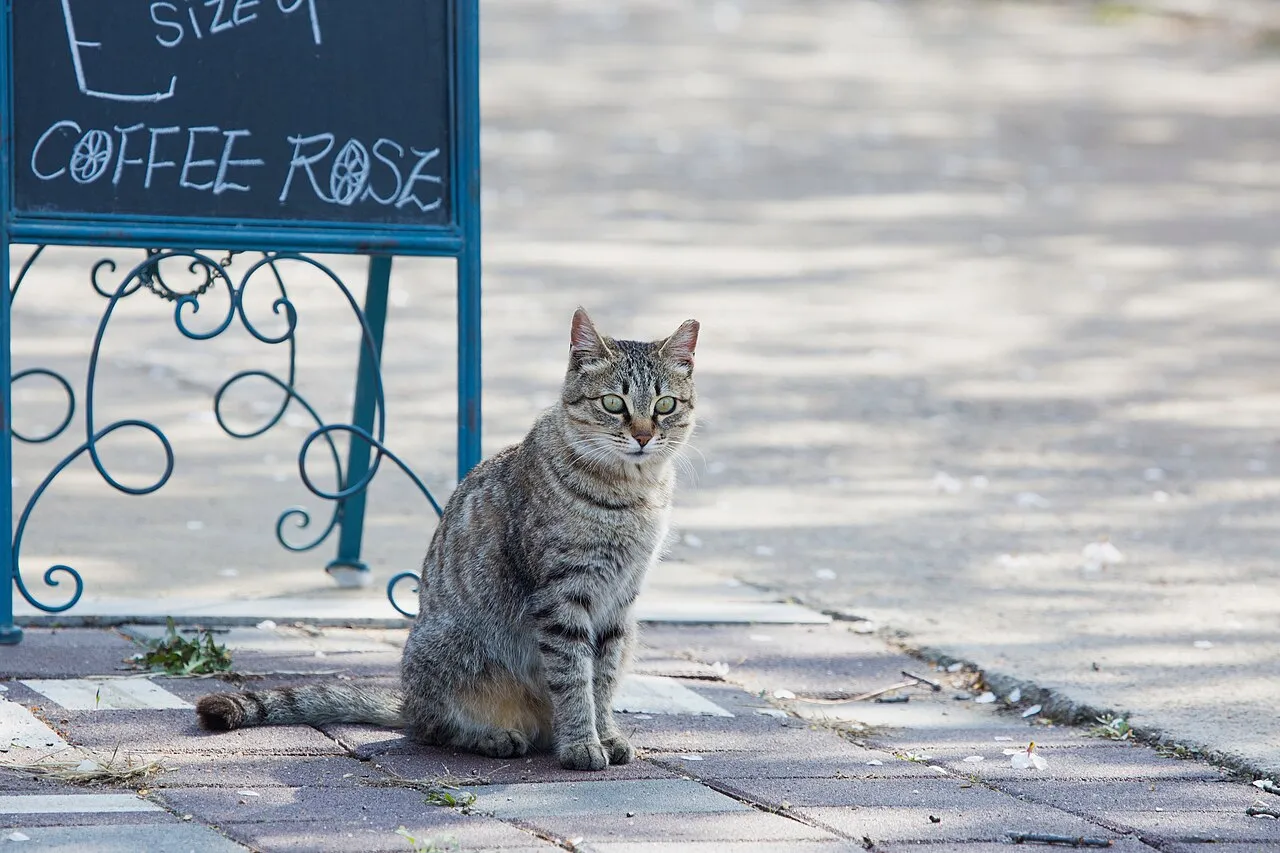
With no breed standard, Korean Shorthairs vary, but most have a medium, well-balanced body, a short dense coat and a round or slightly oval face. Intact males can develop heavy jowls and reach 5–6 kg, while females are usually smaller at around 3–4 kg. Koreans typically describe them by coat:
| Nickname | Pattern | Notes |
|---|---|---|
| Cheese | Orange or cream, often tabby | Mostly male |
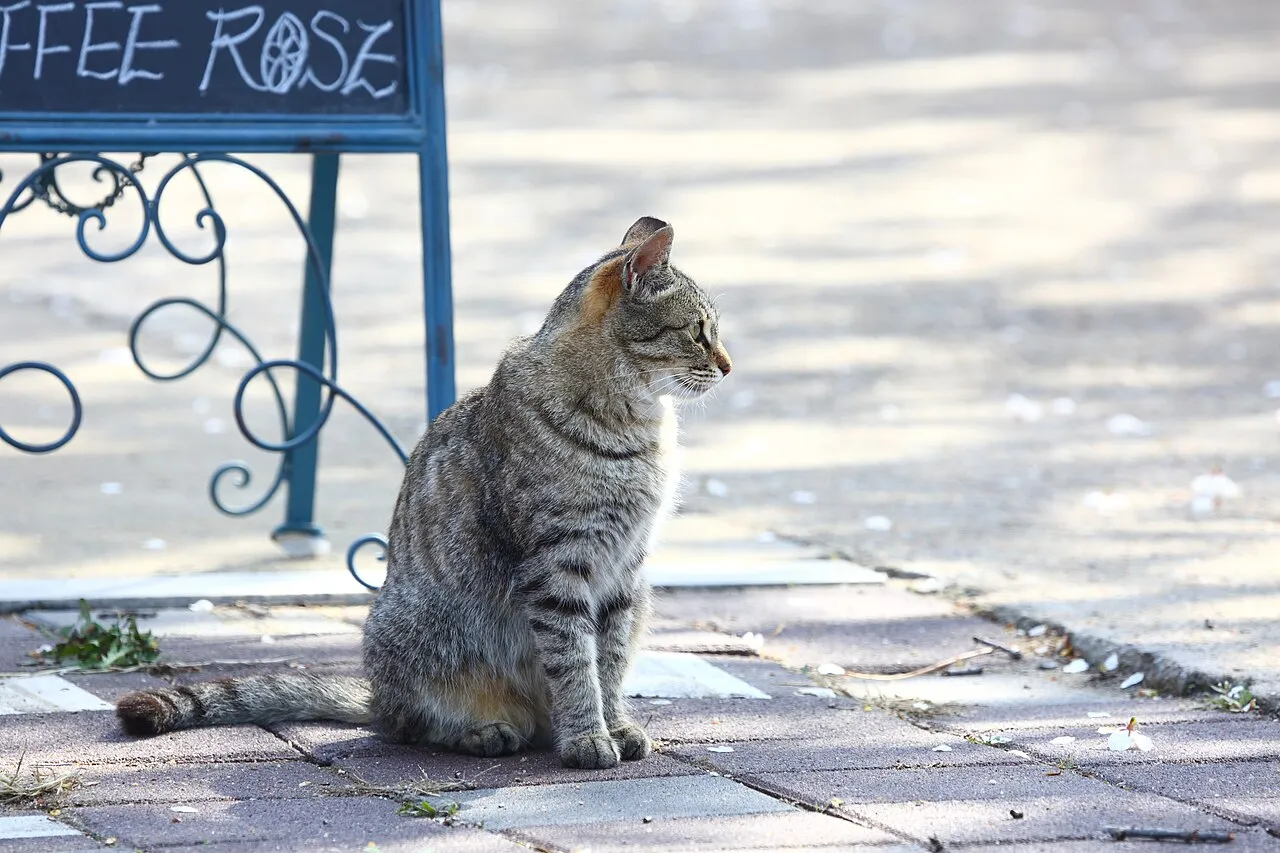
| Mackerel | Grey-brown with dark stripes | Closest to the wild cat pattern |
| Brown tabby | Brown with stripes or spots | Very common |
| Calico | White, black and orange | Almost always female |
| 'Chaos' (tortoiseshell) | Black and orange mottled together | Almost always female |
| Tuxedo | Black with white chest and paws | Looks dressed for dinner |
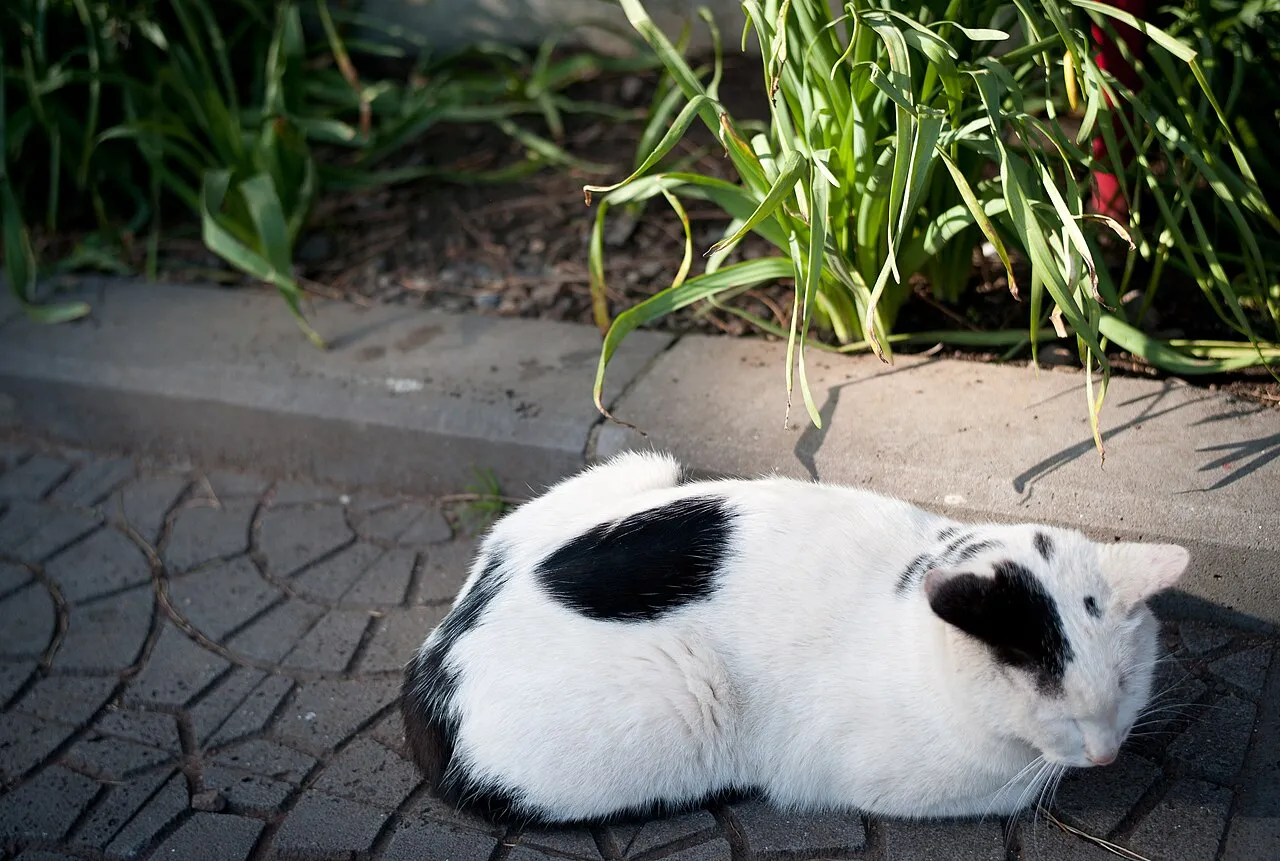
| Cow | White with large black patches | Patches anywhere |
| Solid black or white | Single colour | Blue-eyed white cats may be deaf |
Eye colour ranges from yellow and green to copper and blue, and odd-eyed cats appear now and then. Long-hair genes also circulate, so non-pedigree long-haired cats are sometimes called 'Korean Longhairs'.
5. Temperament
Because Korean Shorthairs were never bred for temperament, personalities vary enormously. Some are dog-like 'gaenyangi' that follow you around and answer to their names; others are independent souls who prefer their own corner.
Early experience shapes personality as much as genes. Kittens handled gently by people between about two and seven weeks of age usually grow up comfortable with humans, while those who spent that window on the street without human contact may stay wary as adults. When adopting an adult cat, ask the fosterer or shelter staff about that particular cat's character.
Cats with a history of street survival often hide at first but, once they trust you, can become remarkably affectionate. Koreans describe this as the cat 'opening its heart', and it can take anything from days to months. These cats are widely considered adaptable and resilient, but individual differences are large.
6. Who it suits and who it doesn't
Kim Dae Jeung · CC0
A good match for:
- People who value a bond with an individual cat over looks or pedigree
- Anyone open to shelter or rescue adoption
- First-time owners hoping for a generally robust cat
- People who want to know an adult cat's personality before adopting
- Those willing to wait patiently for a shy cat to come round
A poor match for:
- People who need a guaranteed appearance, coat length or temperament
- Anyone who cannot tolerate shedding
- People planning to let the cat roam freely outdoors
- Those who would struggle with a settling-in period of hiding
Short hair does not mean little hair: Korean Shorthairs shed a fair amount, especially during the spring and autumn moults.
7. Exercise and play
Most Korean Shorthairs are active with a strong hunting drive. Cats with street experience react especially quickly to movement and need play that satisfies that instinct to be content indoors.
- Play with a wand toy twice a day for 10–15 minutes, letting the cat 'catch' the toy at the end and following with food to complete the hunt-and-eat sequence
- Build climbing routes with cat trees and wall shelves
- A window seat is the best entertainment an indoor cat can have
- Puzzle feeders that hide kibble add mental stimulation
Former street cats may seem to miss the outdoors, but with enough play and vertical space most adapt well to indoor life. Letting them out raises the risk of traffic accidents, fights, disease and getting lost, so think carefully even about harness walks.
8. Coat care and hygiene
Dylan Park · CC BY 2.0
The short coat is easy to care for but sheds generously. Brush once or twice a week with a rubber brush or slicker, and almost daily during moults, to reduce hairballs and loose fur. If your cat dislikes brushing, start with a few strokes and a treat, then build up gradually.
- Bathing: cats groom themselves, so baths are rarely needed unless the cat gets dirty; if a new rescue has fleas or ringworm, follow your vet's advice on medicated shampoo
- Claws: trim every two to three weeks and provide several scratching posts
- Ears: lots of dark brown wax and frequent head-shaking suggest ear mites, which are common in former street cats
- Teeth: brush daily if possible, or at least two or three times a week, to help prevent stomatitis and gum disease
A former street cat may resist handling at first. Rather than forcing grooming, build trust and introduce it slowly.
9. Feeding and weight
A 4 kg adult Korean Shorthair typically needs about 200–250 kcal a day, adjusted for activity, neuter status and age. Start from the feeding guide and adjust to body condition.
- A newly rescued, previously hungry cat may gulp food and vomit, so offer small meals four or five times a day
- Cats used to scavenging human food may take time to accept commercial food; wet food is often an easier start
- Change foods gradually over seven to ten days
- Adding wet food boosts water intake and helps prevent urinary problems
Neutering increases appetite and lowers energy needs, so weight gain is common afterwards. Big, food-loving ginger males in particular need watching. Ideally you should feel the ribs easily and see a slight waist from above.
10. Health and common problems
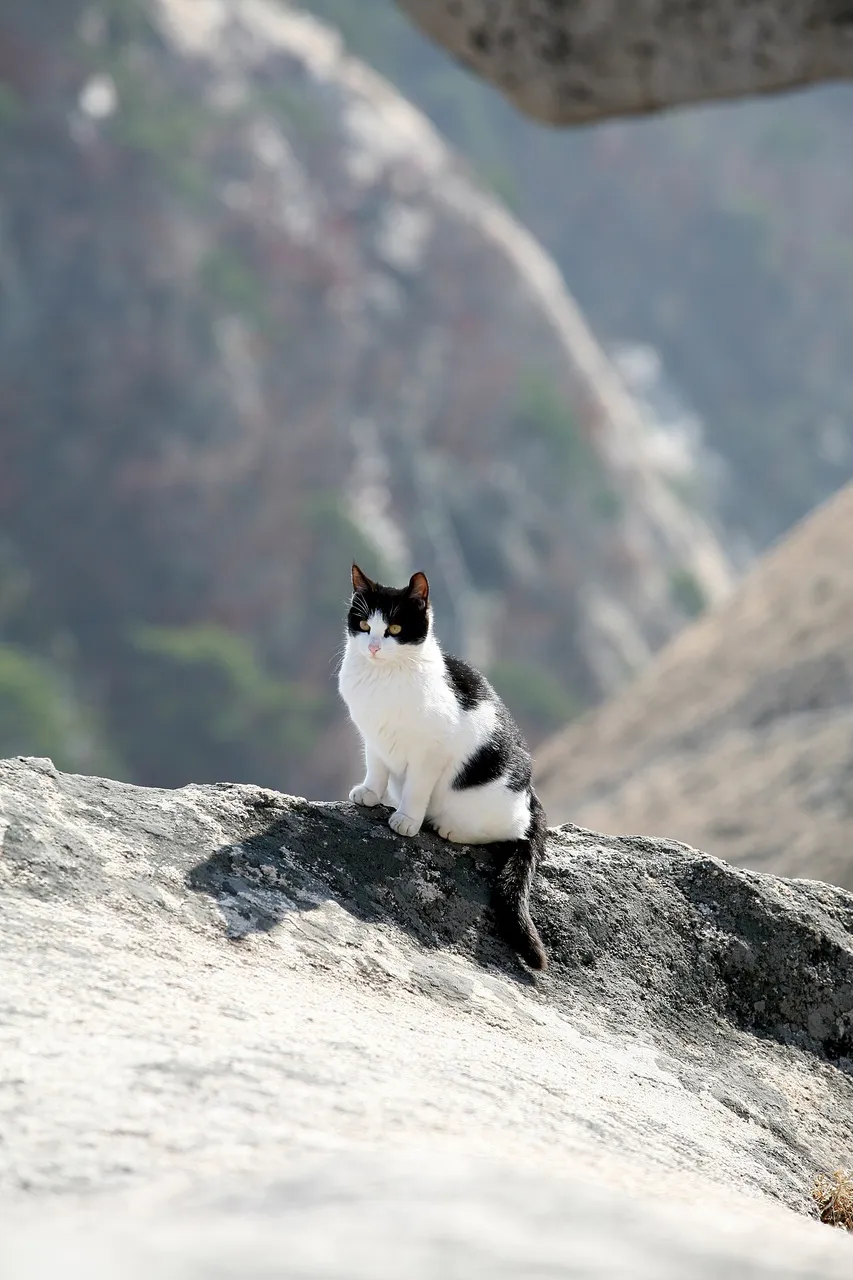
HeungSoon · CC0
Because Korean Shorthairs have not been repeatedly bred within narrow bloodlines, they are generally thought to carry less risk of breed-specific inherited disease than many pedigree cats. That does not mean they never get sick: illnesses linked to street life and the common diseases of all cats still need attention.
10.1. Checks after a rescue
- Feline panleukopenia: vomiting, diarrhoea, fever and loss of appetite, often fatal in kittens; a rapid test is available
- FeLV and FIV: checked with a blood test; many positive cats live long lives with good management
- Internal and external parasites: roundworms, tapeworms, fleas and ear mites are treated with antiparasitics
- Ringworm: circular patches of hair loss should be tested, as it can spread to people
- Neuter status: a clipped left ear tip usually means TNR neutering, but confirm with your vet
If you already have cats, keep the newcomer separate for at least one to two weeks until test results are back and its health is confirmed.
10.2. Problems common in former street cats
- Feline herpesvirus: sneezing, nasal discharge, eye discharge and conjunctivitis; the virus stays dormant and can flare up under stress
- Calicivirus: mouth ulcers, drooling and respiratory signs
- Stomatitis: severe inflammation of the gums and mouth that makes eating painful; full-mouth extraction is sometimes recommended when other treatment fails
- Wounds and abscesses: bite wounds from territorial fights may have become infected
Most of these improve or can be controlled with consistent care, so stay in close contact with your vet for the first few months.
10.3. Lifelong concerns
Neutered males are prone to lower urinary tract disease, including cystitis and urethral blockage; frequent trips to the litter box with little or no urine are an emergency. With age, chronic kidney disease, hyperthyroidism, diabetes and arthritis become common, so from around seven years old book check-ups with blood tests once or twice a year. White-eared cats can develop sun-related skin cancer on the ear tips and nose.
11. Life stages and lifespan
Indoor Korean Shorthairs typically live 12 to 18 years, and some approach 20. Street cats, by contrast, are believed to live far shorter lives on average because of traffic, disease and food shortages.
| Stage | Age | Key points |
|---|---|---|
| Kitten | 0–6 months | Key socialisation window, vaccinations, deworming, litter training |
| Junior | 6 months–2 years | Peak energy, neutering, play to burn energy |
| Adult | 2–7 years | Weight and urinary health, regular check-ups |
| Mature | 7–10 years | Blood tests once or twice a year, dental care |
| Senior | 11 years and up | Kidney, thyroid and joint care; low-sided litter boxes and steps |
Signs of ageing include more sleep, less climbing and a duller coat as grooming declines. Drinking and urinating more than usual can point to kidney disease or diabetes.
12. Costs
These are rough 2026 South Korean figures. A Korean Shorthair costs little or nothing to adopt, but tests and treatment right after a rescue can be front-loaded.
| Item | Approximate cost | Notes |
|---|---|---|
| Adoption fee | Free to a few hundred thousand won | Shelter or group fee, often covering some vet costs |
| Post-rescue tests and deworming | 100,000–300,000 won | With infectious disease kits and blood work |
| Vaccinations | 30,000–60,000 won per shot, 2–3 shots | Core vaccine |
| Neutering | Males 100,000–250,000 won, females 200,000–500,000 won | Some local governments subsidise |
| Initial supplies | 200,000–500,000 won | Cat tree, litter box, hiding bed, scratchers |
| Food and litter | 40,000–100,000 won per month | Depends on wet food share |
| Insurance | 10,000–40,000 won per month | Varies with age and cover |
| Stomatitis treatment or extractions | Several hundred thousand to over a million won | Depends on extent and clinic |
| Emergency urinary blockage | Hundreds of thousands to several million won | Depends on hospital stay |
Some local governments and welfare groups subsidise neutering or vaccination for adopted cats, so it is worth asking. In other countries, adopting a domestic shorthair from a shelter follows a similar pattern of low upfront fees and early vet costs.
13. Before you adopt
There are three main ways to bring home a Korean Shorthair: adopting from a shelter, adopting through a foster network or rescue group, or rescuing a cat yourself.
- Shelters: municipal animal protection centres and private shelters rehome cats, and Korea's national animal protection information system lists animals in care
- Fosterers and rescue groups: a fosterer can tell you about the cat's personality, eating habits and health, making it easier to find a good match; contracts often require neutering and updates after adoption
- Your own rescue: when you find an injured cat or one in danger
Be careful with kittens. Mothers often leave their litters for hours while hunting, so if the kittens look healthy, watch from a distance before intervening. Step in if a kitten is injured, very thin and crying constantly, or in a dangerous spot.
Before adopting, check for cat allergies in the household, make sure you can cat-proof windows and doors, and ask yourself whether you can commit for 15 years or more through moves, marriage and other life changes.
14. In culture
Koreans traditionally called cats 'Nabi', a word that also means butterfly. Its origin is uncertain, but many older Koreans still call a cat with 'Nabi-ya'. Cats appear in proverbs too: 'putting a bell on the cat's neck' describes a plan easier said than done, and 'leaving the fish with the cat' means trusting the wrong person.
Since the 2000s, photo books, essays and documentaries about street cats have appeared regularly in Korea, and stories of alley cats and the people who care for them have changed how many people see them. On social media, accounts chronicling neighbourhood cats or rescued Korean Shorthairs have huge followings, and ginger and tabby cats are favourite characters in webtoons and merchandise.
University cat-care clubs and neighbourhood groups have formed in many places, and some districts run official feeding stations and winter shelters as part of efforts to help people and street cats coexist.
15. Trivia
- Most ginger cats are male because the orange gene sits on the X chromosome: a male (XY) needs one copy, a female (XX) needs two.
- For the same reason calico and tortoiseshell cats are nearly always female; the rare males usually have an extra X chromosome (XXY) and are typically sterile.
- A street cat with the tip of its left ear cut straight across has been neutered through TNR, a mark that prevents it being trapped again unnecessarily.
- The Korean nickname 'mackerel' comes from the fish-like stripes, and English also calls this pattern a mackerel tabby.
- White cats with blue eyes have a high chance of congenital deafness.
- Even when both parents are known, it is hard to predict exactly what coats a litter of Korean Shorthairs will have.
- Many Korean cat lovers proudly describe their cats as 'Koshot', turning a non-breed into a badge of honour.
Health notes are general information. If something seems wrong, contact a vet who treats this species.
🍽️ Can my dog or cat eat this? →
FAQ
Is the Korean Shorthair an official breed?
No. It is not registered with TICA, CFA or any other international cat body; the name simply describes Korea's common short-haired house cat. No pedigree papers exist, and that makes these cats no less wonderful.
Can a street cat become a house cat?
Kittens adapt fastest, but many adults settle in well with patience. Start with a vet check, infectious disease tests and deworming, then let the cat adjust in a single quiet room. A truly feral adult that is terrified of people may be happier neutered and returned to its territory.
Why are most ginger cats male?
The orange gene sits on the X chromosome. A male needs only one copy to be ginger, while a female needs two. For the same reason almost all calico and tortoiseshell cats are female, and male calicos are rare.
Photo credits
Photos are freely licensed images from Wikimedia Commons. Authors and licenses are listed below.
- Cat napping under a roof.jpg — Sungmin Yun · CC BY-SA 2.0
- Feral cat 8 (2016; cropped 2025).jpg — Yu Tae-wook · CC0
- Feral cat 5.jpg — Kim Dae Jeung · CC0
- Feral cat 6.jpg — Kim Dae Jeung · CC0
- Cat loaf.jpg — Dylan Park · CC BY 2.0
- Cat at Bukhansan.jpg — HeungSoon · CC0