TailVille
At a glance
Rough ranges for supplies, food and electricity in Korea (USD is approximate). Purchase or adoption fees are not included.
Experienced owners who respect an independent personality and will train patiently with rewards.
People who want a cuddly, obedient dog, or homes where young children will constantly grab and hug it.
1. Overview
The Shiba Inu is the smallest of Japan's native breeds, recognisable by its triangular pricked ears, fox-like face and tail curled tightly over the back. At around 10 kg it is compact, but it was bred to hunt birds and small game in mountain scrub, so it is quick, alert and independent.
Shibas are famous as the cat-like dog: they keep themselves clean, guard their personal space and say no clearly when they mean it. Internet memes have made the Shiba face known worldwide, yet the breed is not an easy one to live with. This article leaves general dog care to the main dog article and concentrates on what is distinctive about Shibas: their history, temperament, coat blow, skin problems and famous dislike of being handled.
2. Name and origin
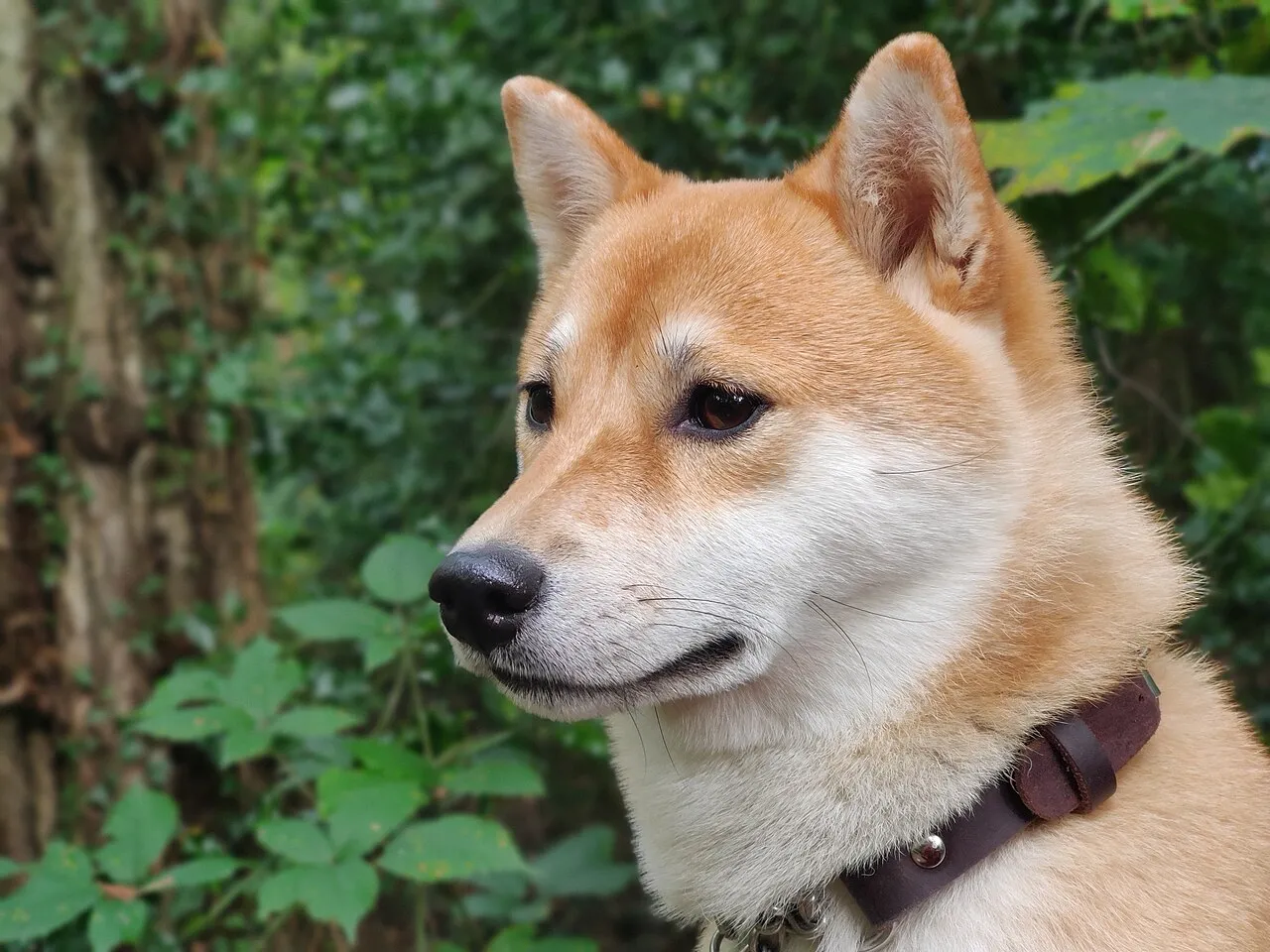
2.1. What the name means
Inu simply means dog, but the origin of shiba is uncertain. Explanations include the brushwood scrub the dogs hunted in, a coat colour resembling dried brushwood leaves, and an old dialect word meaning small. All three are still repeated, and none is settled.
2.2. Near extinction and revival
Small spitz-type hunting dogs resembling the Shiba were kept in mountain villages across Japan for centuries. After Western breeds arrived in the Meiji era, crossbreeding rapidly diluted native dogs, and a preservation movement began in the 1920s. The Nihon Ken Hozonkai (NIPPO) was founded in 1928, and the Shiba was designated a natural monument of Japan in 1936.
The Second World War then devastated the population through food shortages and bombing, and a post-war distemper epidemic struck hard. The modern Shiba was rebuilt mainly from surviving dogs of three regional lines, Shinshu, Mino and San'in, each said to have contributed different traits in colour, build and head shape.
2.3. Registry recognition
In Japan, NIPPO maintains the breed standard and the Japan Kennel Club also registers Shibas. The FCI places the breed in Group 5 (spitz and primitive types) among the Asian spitz. Shibas reached the United States around the 1950s and the AKC granted full recognition in the early 1990s, placing them in the Non-Sporting Group. Along with the Akita, Kishu, Shikoku, Kai and Hokkaido, the Shiba is one of Japan's six native breeds.
3. Shibas in Korea
Shibas took off in Korea during the 2010s, driven by social media and international memes. The smiling face and tidy image appealed especially to young people and single-person households, and the breed now has steady demand in a market dominated by small dogs. Its resemblance to the Jindo leads some to call it a mini Jindo, but the two have separate lineages and differ in size and temperament.
Popularity also brought the 'mame shiba', much smaller dogs sold at premium prices. Mame shibas are not recognised as a separate breed by major registries, and repeatedly breeding the smallest dogs raises health concerns. Other owners bought into the low-maintenance, cat-like image and were caught off guard by stubbornness, resistance to handling and the sheer volume of shed undercoat.
4. Appearance and breed standard
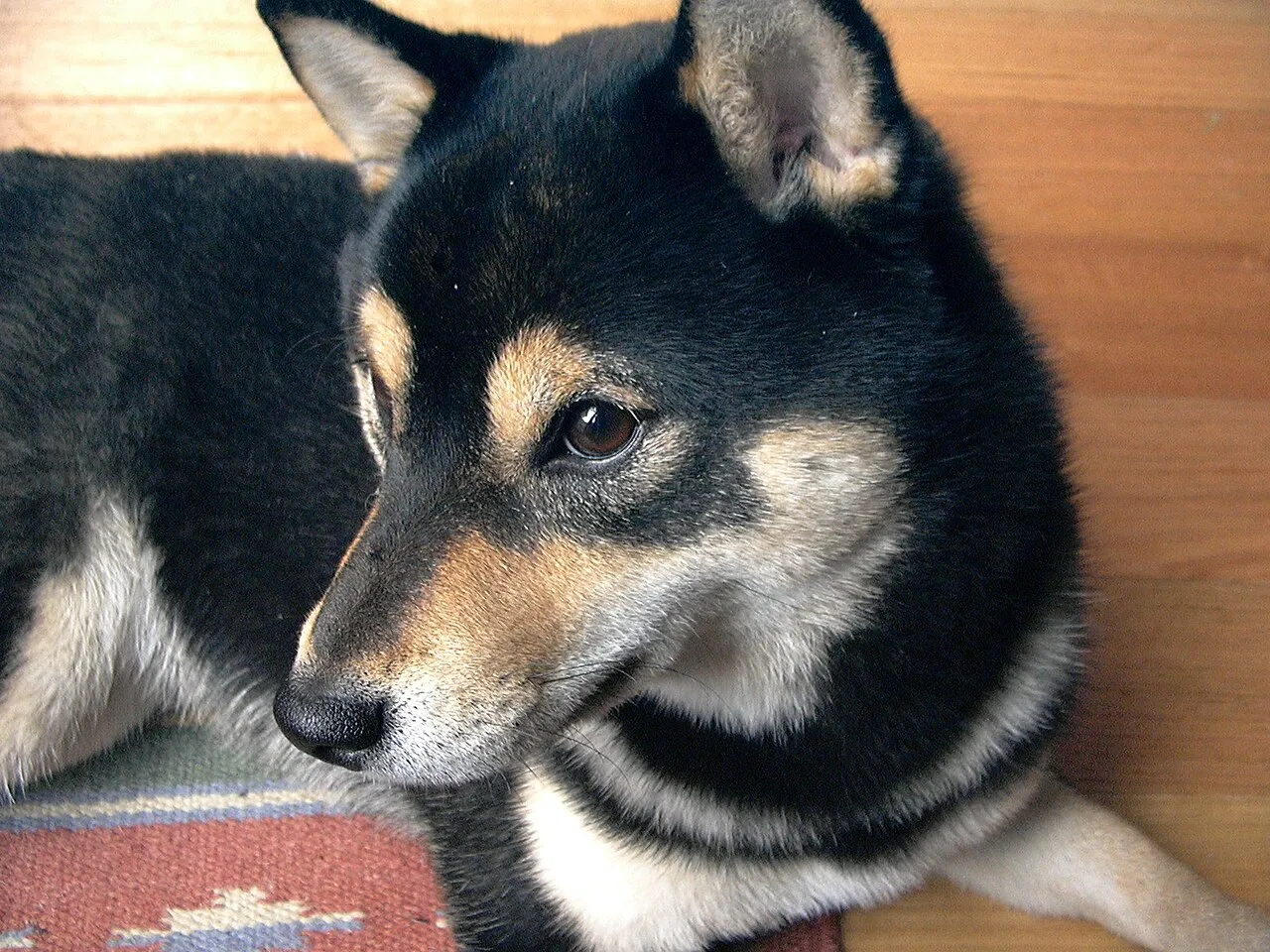
Ben White at English Wikipedia · CC BY-SA 3.0
The Shiba is muscular and well balanced, with a double coat of harsh outer guard hairs over a soft undercoat. The eyes are fairly small, triangular and slightly upturned, the ears firmly erect and tilted a little forward, and the thick tail curls over the back or curves like a sickle.
| Trait | Typical standard | Notes |
|---|---|---|
| Height | Males 38–41 cm, females 35–38 cm | Japanese ideal 39.5 cm for males, 36.5 cm for females |
| Weight | Males about 9–11 kg, females about 7–9 kg | |
| Proportions | Height to length roughly 10:11 | Slightly rectangular |
| Coat | Stiff outer coat, dense undercoat | Long coat is a fault |
| Tail | Curled or sickle |
Three colours are standard:
- Aka (red): the most common, a fiery reddish tan.
- Kuro (black and tan): black with tan markings above the eyes, on the cheeks and legs.
- Goma (sesame): red with black-tipped hairs, like a sprinkle of sesame seeds.
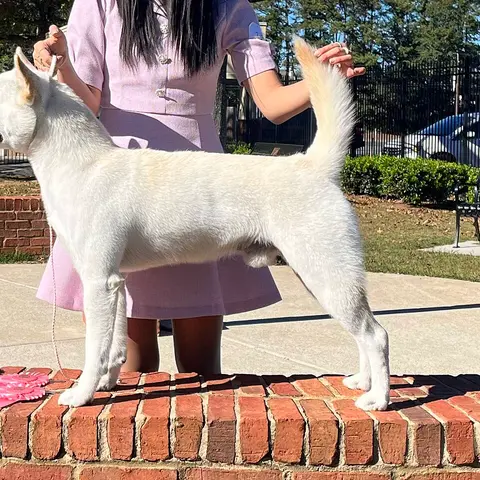
All three should show urajiro, cream-to-white shading on the cheeks, throat, chest, belly and inner legs. Fully cream Shibas also occur; most standards treat this as a fault, but it has no health significance for a pet.
5. Temperament
In a phrase, the Shiba is a proud independent. It is affectionate with family but would rather watch from across the room than spend the day on your lap. It may come over for a scratch and then walk off once it has had enough, which is exactly why people compare Shibas to cats.
- Cleanliness: Shibas groom themselves, avoid puddles and dislike soiling near their bed, so house-training is often quick.
- Stubbornness: understanding a cue and choosing to follow it are separate matters. Repeat a command too often and a Shiba learns to ignore it.
- Reserve: few Shibas greet strangers warmly, and many duck away or growl when an unfamiliar hand reaches for their head.
- Other dogs: same-sex tension, especially between males, is common, and pushy dogs are unwelcome.
- Prey drive: cats, birds and squirrels trigger an instant chase.
- Resource guarding: some guard food bowls, chews or favourite toys.
None of this is a bad personality; it reflects centuries of hunting with independent judgement. The secret to a good relationship is to avoid force, reward the behaviour you want generously and respect the dog's signals when it says no.
6. Who it suits and who it doesn't
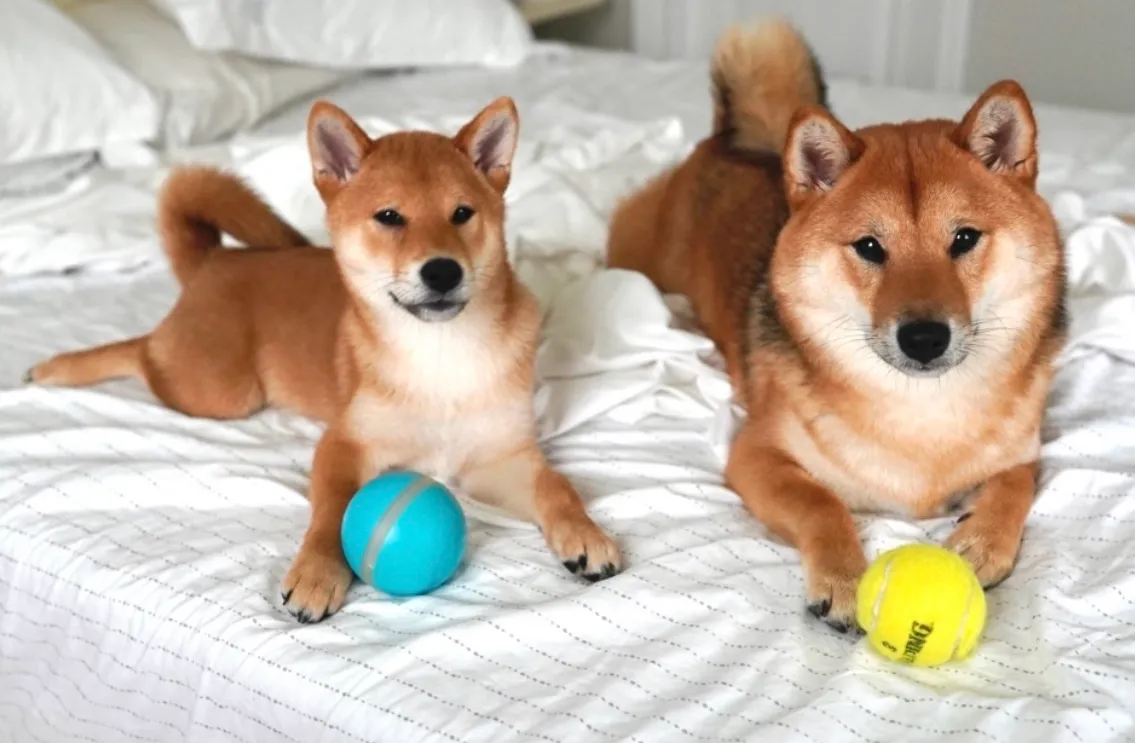
Ichigocha · CC0
- Good fit: experienced owners comfortable with reward-based training
- Good fit: people who accept that a dog has its own space and opinions
- Good fit: calm, adult-centred households
- Good fit: walkers who want a moderately active rather than relentless dog
- Poor fit: anyone expecting constant cuddles and eagerness to please
- Poor fit: homes where young children will often hug and grab the dog
- Poor fit: people who dream of off-lead romps in the park
- Poor fit: homes with cats or small pets and no time for careful introductions
A Shiba is not impossible as a first dog, but it works best when the owner has studied the breed and is ready to work with a qualified trainer.
7. Exercise and play
Adult Shibas generally need about an hour of walking a day across two outings. Plenty of sniffing does more for their stress levels than brisk marching. Shibas are notorious for the 'Shiba brake', planting all four feet when they don't like the direction; changing course or luring with a treat works better than dragging.
Only let a Shiba run off lead in a fully fenced area. Once a Shiba spots prey, recall often evaporates, and these supple dogs frequently back out of collars and harnesses. Many owners use escape-resistant harnesses that can't slip over the head.
Indoors, scent games, treat-dispensing puzzles and short trick sessions keep them engaged. Shibas bore quickly with repetition, so keep sessions under five minutes and vary them. They feel the heat, so walk early and late in summer; in winter many relish snow.
8. Coat and grooming
Day to day, the Shiba coat is easy. The dog has little odour and the harsh outer coat sheds dried mud. The challenge comes twice a year in spring and autumn, when the undercoat comes out in cottony clumps and drifts around the house for weeks.
- Brushing: once or twice a week normally, daily during the blow, using an undercoat rake or pin brush.
- Bathing: every two or three months is plenty. Frequent bathing strips protective oils and can aggravate skin disease. A bath and blow-dry at the end of a moult releases a lot of loose coat.
- Clipping: not recommended.
- Nails: high on the list of things Shibas hate. Trim one or two nails a day, use a grinder, or let the clinic do it.
The most important homework for a Shiba owner is handling practice from puppyhood. Touch paws, ears, mouth and tail for a few seconds at a time and reward immediately; it makes vet visits and nail trims far easier for life.
9. Diet and weight
Shibas are not bottomless pits like corgis or Labradors, but they certainly respond to treats. Feed twice a day starting from the bag's chart and adjust by body shape: a visible waist from above and ribs that are easy to feel.
Because Shibas have sensitive skin, diet and skin health are closely linked. Itching, paw licking, hair loss around the eyes and mouth, or recurrent ear infections may point to food allergy. The usual approach is an elimination trial with your vet: a hydrolysed or novel-protein diet fed exclusively for at least eight weeks. Omega-3 supplements may support the skin barrier, but let your vet set the dose.
Some Shibas are fussy eaters. Topping the bowl with treats to tempt them often creates a cycle of holding out for better food. Offering the meal for 15–20 minutes at set times and then removing it can help.
10. Inherited conditions and health
Shibas are relatively healthy and long-lived, but several skin, eye and joint conditions are known in the breed. This is background only; diagnosis and treatment are for your vet.
10.1. Atopic dermatitis and allergies
Cause: environmental allergens such as dust mites and pollen, or food allergy, weaken the skin barrier. Shibas are frequently listed among atopy-prone breeds.
Signs: itching and redness on the paws, armpits, belly and around the eyes; paw licking; hair loss; recurrent ear infections; darkened, thickened skin.
Tests: rule out parasites and infections, then use elimination diets and allergy testing.
Management: usually lifelong control rather than cure, with medication, medicated shampoos, diet and regular ear care.
10.2. Glaucoma
Cause: fluid can't drain properly from the eye and pressure rises; primary, inherited glaucoma is reported in Shibas.
Signs: red whites of the eye, squinting or rubbing, a cloudy cornea, a dilated pupil, an enlarged-looking eye. Acute glaucoma can destroy vision within hours to days.
Tests: eye pressure measurement and gonioscopy.
Management: emergency pressure-lowering treatment. If one eye is affected, the other is at high risk, so preventive treatment may be advised. Ask for pressure checks at routine visits from middle age.
10.3. Other conditions
| Condition | What happens | How it's checked |
|---|---|---|
| Luxating patella | Kneecap slips out; skipping or holding up a hind leg | Palpation, X-rays |
| Hip dysplasia | Loose hip joint leading to arthritis | X-rays, parental screening |
| Cataract | Clouding lens, reduced vision | Eye exams |
| Hypothyroidism | Lethargy, weight gain, hair loss | Blood test |
| GM1 gangliosidosis | Rare inherited storage disease with early neurological signs | DNA test (reported in Japanese lines) |
| Retained baby teeth | Puppy teeth persist beside adult teeth | Mouth check at 6–7 months |
When choosing a puppy, ask about parental patella, hip and eye screening and GM1 testing.
11. Life stages and lifespan
Shibas typically live 12 to 15 years, long for their size, and reports of dogs reaching 16 or more are not rare.
| Stage | Age | Focus |
|---|---|---|
| Puppy | 0–6 months | Socialisation and handling practice shape the whole life |
| Adolescent | 6 months–2 years | Stubbornness peaks; tension with other dogs may emerge |
| Adult | 2–8 years | Temperament settles; manage skin, weight and teeth |
| Senior | 9+ years | Eye pressure, cataract and joint checks; watch for cognitive changes |
Canine cognitive dysfunction, with night-time barking and circling, is reported in elderly Shibas. It is sometimes said to be relatively common in Japanese breeds, but the link needs more research. If you see signs, talk to your vet about environmental changes, medication and supplements.
12. Costs
Rough 2026 ranges in Korean won.
| Item | Approximate cost | Notes |
|---|---|---|
| Initial supplies, vaccines, registration | 700,000–1,500,000 | Excluding purchase; includes escape-proof harness and gates |
| Food | 30,000–70,000 a month | Prescription allergy diets cost more |
| Treats and supplies | 20,000–40,000 a month | |
| Parasite prevention | 10,000–25,000 a month | |
| Bath and nail care | 30,000–60,000 per visit | Hard-to-handle dogs may cost extra |
| Pet insurance | 20,000–50,000 a month | |
| Skin disease management | Tens of thousands to over 100,000 a month | Long-term medication and shampoos |
| Glaucoma treatment | Tens of thousands a month for drops; millions for surgery | Emergency fees extra |
Budget roughly 100,000–200,000 won a month for basics. Chronic skin disease often runs for years, so costs add up.
13. Before you get one
- Parental temperament: Shiba temperament is strongly inherited. Be cautious if a parent is aggressive or very fearful with people.
- Health screening: ask for parental patella and hip results, eye exams and, ideally, a GM1 DNA test.
- Early environment: a puppy should stay with its mother and littermates until at least two months and be used to gentle handling. Puppies separated too early may not learn bite inhibition.
- Mame shiba claims: be suspicious of ads guaranteeing a dog will stay under 5 kg; they may involve extreme breeding or restricted feeding during growth.
- 'Rare' cream: cream is a standard fault, not a premium colour.
- Pet shops and puppy farms: selling puppies under two months is illegal in Korea, and poorly socialised Shibas are more likely to develop fear or aggression.
- Shelters: Shibas and Shiba mixes surrendered over stubbornness or handling issues do appear. Ask carers how the dog reacts to other dogs, children and strangers.
- Importing: bringing a puppy from Japan requires a microchip, rabies vaccination, an antibody titre test and waiting periods; check quarantine rules well ahead.
14. Shibas in popular culture
The internet made Shibas world-famous. Around 2010, photos of Kabosu, a Shiba adopted by a Japanese kindergarten teacher, giving a sideways glance spread online and became the Doge meme, with captions in colourful broken English. The meme inspired the Dogecoin cryptocurrency in 2013, followed by other Shiba-branded coins. Kabosu died in 2024 and was widely mourned. Cheems, a meme based on a Hong Kong Shiba named Balltze, also became a staple.
In Japan, Shibas are fixtures on calendars, stationery, adverts and character merchandise, and star Shiba Instagram accounts have drawn millions of followers. The loyal dog Hachiko, whose statue stands at Shibuya Station, is often mistaken for a Shiba but was an Akita. Videos of Shiba screams and walk refusals remain perennial favourites.
15. Trivia
- Owners call the piercing protest noise the Shiba scream; during nail trims or baths it can be loud enough that neighbours suspect cruelty.
- A happy Shiba may wriggle and roll over, while a tense one sometimes uncurls its tail, so the tail is a handy mood gauge.
- In Japan red Shibas make up the large majority, with black and tan and sesame much less common.
- Natural monument status protects the breed as a whole; it doesn't restrict keeping Shibas as pets.
- Some Shibas wipe their faces with their front paws, much like cats.
- The famous smile owes a lot to the shape of the lips and the pale urajiro markings on the cheeks.
Health notes are general information. If something seems wrong, contact a vet who treats this species.
🍽️ Can my dog or cat eat this? →
FAQ
Is a Shiba just a small Akita?
No. Both are Japanese spitz breeds, but the Akita is a large dog of roughly 30–50 kg while the Shiba weighs around 10 kg. Hachiko, the famous loyal dog, was an Akita.
Is the 'Shiba scream' a sign of pain?
Usually it is a dramatic protest against something the dog dislikes, such as nail trims. But if it screams in new situations or when one particular spot is touched, get it checked for pain.
Can a Shiba be left alone?
Shibas often cope with alone time better than many breeds, but they still need exercise and stimulation. Walk them before you leave and provide puzzle feeders.
Photo credits
Photos are freely licensed images from Wikimedia Commons. Authors and licenses are listed below.
- Taka Shiba.jpg — Takashiba at English Wikipedia · Public domain
- Redshibaurajiro.jpg — Joseph S Clark · CC0
- Shiba inu blacktan.jpg — Ben White at English Wikipedia · CC BY-SA 3.0
- Shiba inu puppy and adult.jpg — Ichigocha · CC0